As a board-certified physician in both Family Medicine and Obesity Medicine, I have had the privilege of helping patients from all walks of life achieve better health through sustainable weight loss. Over the past two years, I have focused much of my practice on weight management and have learned that success goes far beyond just diet and exercise. Sustainable weight loss is about creating a plan that fits your lifestyle, supports your mental health, and allows you to maintain results long term. In this guide, I want to share practical tips and insights from my experience helping patients live healthier, happier lives.
Understanding Sustainable Weight Loss
When most people think about weight loss, they think of quick fixes or extreme diets. The problem with these approaches is that they are rarely sustainable. Losing weight rapidly might show results for a few weeks, but it often leads to frustration, burnout, and regaining the weight later. Sustainable weight loss is slow, steady, and focused on lifestyle changes that you can maintain over time.
Sustainable weight loss also involves looking at your health as a whole. Your physical, mental, and emotional wellbeing are all connected. A healthy weight is not just about appearance. It is about feeling well, having energy, and reducing your risk for chronic diseases such as diabetes, heart disease, and high blood pressure.
Set Realistic Goals
One of the first steps in a sustainable weight loss journey is setting realistic goals. Many people aim for large, immediate changes, but small, achievable goals tend to work better. Start with simple objectives, such as increasing daily steps, drinking more water, or adding an extra serving of vegetables to your meals. These small steps build momentum and help create long-lasting habits.
Tracking your progress is also important. Whether it is through a journal, an app, or regular check-ins with a physician, monitoring your habits and results can help you stay motivated and adjust your plan when needed.
Focus on Nutrition, Not Just Calories
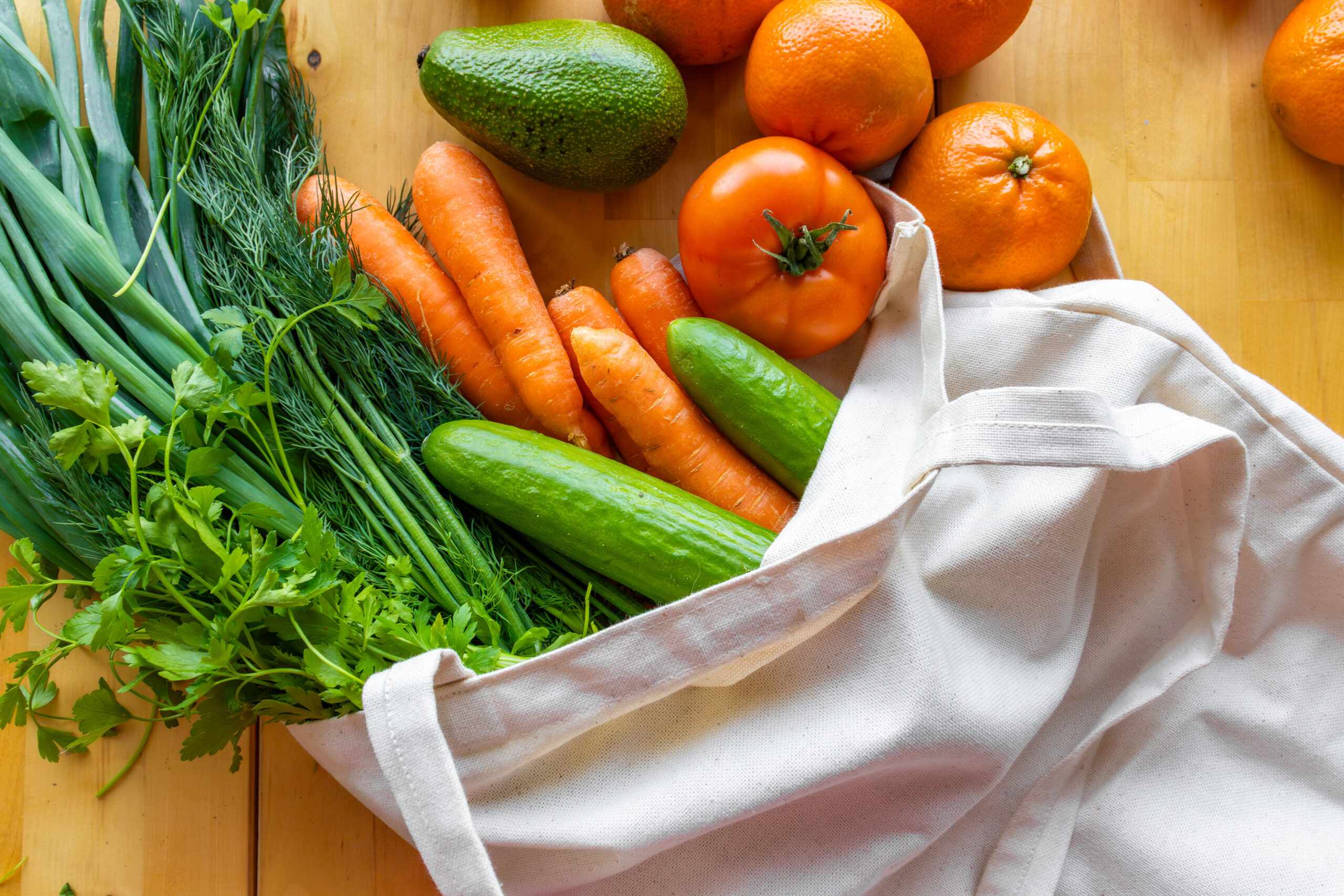
A common misconception about weight loss is that it is only about eating less. While caloric intake matters, the quality of your food is just as important. Focus on a balanced diet that includes lean proteins, whole grains, fruits, vegetables, and healthy fats. Avoid processed foods and sugary drinks as much as possible.
I also encourage patients to pay attention to how their bodies respond to different foods. Everyone is unique, and what works for one person might not work for another. Sustainable weight loss comes from finding a way of eating that nourishes your body, keeps you satisfied, and fits your lifestyle.
Incorporate Physical Activity
Exercise is another key component of sustainable weight loss. Physical activity helps burn calories, strengthens muscles, improves mood, and supports overall health. However, exercise does not have to be extreme or complicated. Find activities you enjoy, whether it is walking, running, swimming, biking, or even gardening. The best exercise is the one you will do consistently.
Strength training is particularly important because it helps preserve muscle mass while losing fat. Maintaining muscle not only improves your appearance but also boosts metabolism and helps you stay strong and energetic as you age.
Address Mental and Emotional Health
Weight management is not just about the body. Your mind plays a major role in your ability to lose weight and maintain it. Stress, anxiety, depression, and emotional eating can all affect your progress. I encourage patients to develop strategies to manage stress, such as mindfulness, meditation, journaling, or talking with a mental health professional.
Understanding your relationship with food is also important. Emotional triggers, social pressures, and long-standing habits can all impact how and why you eat. Sustainable weight loss involves recognizing these patterns and creating healthier habits to replace them.
Personalize Your Plan
No two people are the same, and no single plan works for everyone. Sustainable weight loss requires a personalized approach that considers your medical history, lifestyle, preferences, and goals. As a physician, I work with my patients to develop individualized plans that are realistic and flexible. This approach allows people to make progress at their own pace while avoiding extreme or unsafe methods.
Celebrate Progress, Not Perfection
Finally, it is important to celebrate your progress along the way. Weight loss is a journey, and there will be challenges and setbacks. Instead of focusing on perfection, focus on the positive changes you are making. Every healthy meal, every workout, and every step toward better habits is a success worth acknowledging.
Conclusion
Sustainable weight loss is not about quick fixes or rigid diets. It is about creating a plan that fits your life, supports your mental and physical health, and allows you to maintain your results for the long term. By setting realistic goals, focusing on nutrition and exercise, addressing emotional health, and personalizing your plan, you can achieve meaningful and lasting change.
As a physician, I have seen firsthand how these strategies transform lives. The key is to approach weight loss as a journey, not a sprint. Look well, feel well, and live well. With patience, persistence, and the right support, sustainable weight loss is not only possible but also empowering and life-changing.